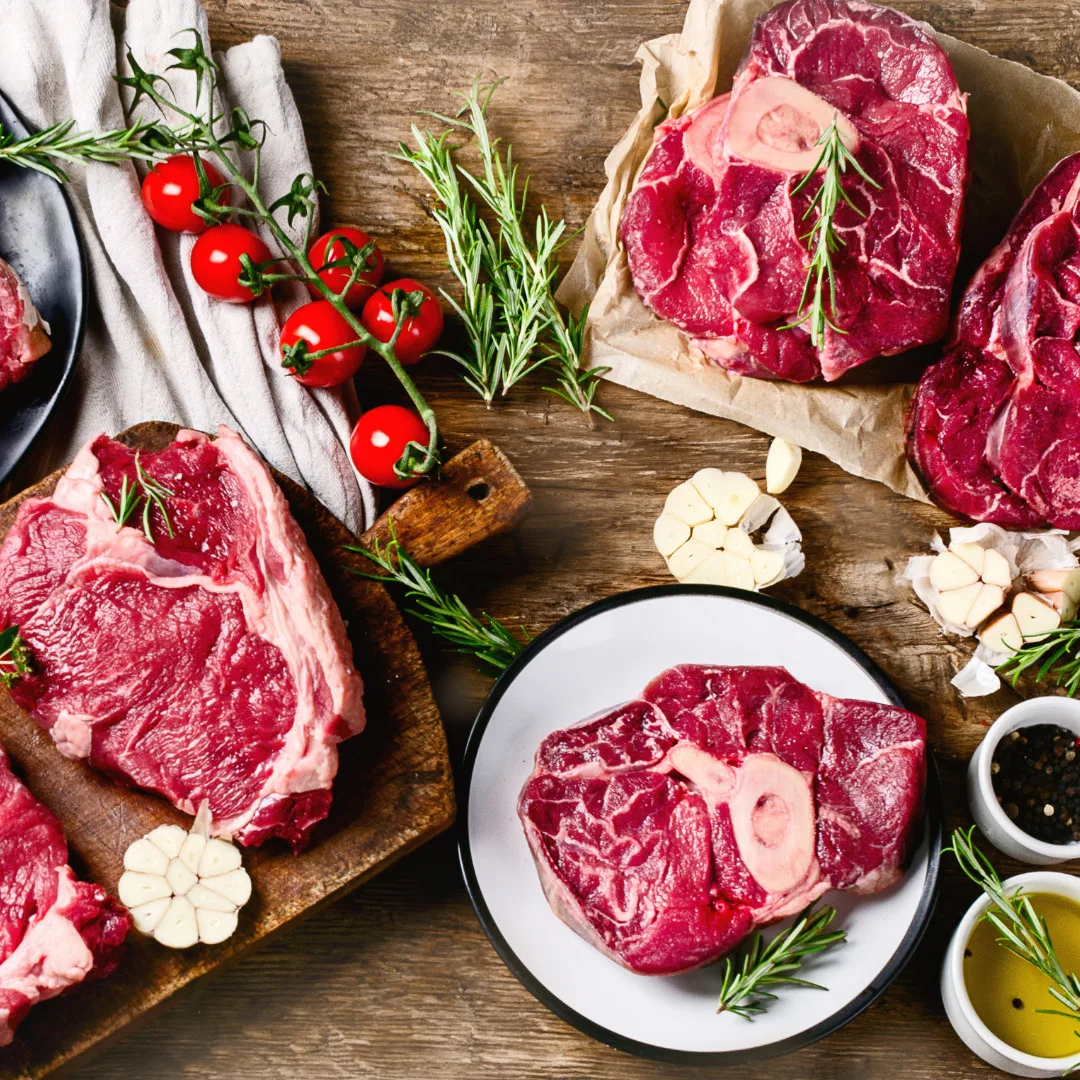
Choosing the right cut of meat can make a major difference in food cost, preparation time, consistency and the finished dish. For restaurants and foodservice operators, understanding how different cuts perform helps kitchens match the right protein to the right menu application.
Through Jo-Mar Provisions, Nappies Food Service offers operators access to high-quality beef, pork and specialty meat products backed by decades of meat expertise. Established in 1984, Jo-Mar has built its reputation around consistency, quality and reliable service for foodservice customers.
Why Meat Cut Selection Matters
Not every cut is suited to every cooking method.
Some cuts are naturally tender and perform best with quick, high-heat cooking, while others contain more connective tissue and benefit from slower cooking methods that allow them to become tender over time.
For operators, the right selection can also affect yield, portion consistency and overall food cost. Choosing a cut that fits both the menu and the kitchen’s preparation capabilities can help improve efficiency while maintaining the quality guests expect.
Ribeye: Rich, Tender and Flavorful
Ribeye is prized for its marbling, tenderness and rich beef flavor. The intramuscular fat melts during cooking, helping create a juicy finished product.
It is particularly well suited for grilling, broiling or pan-searing and works well for steaks, steak sandwiches and premium center-of-the-plate applications.
Because ribeye is naturally flavorful, it can often stand on its own with relatively simple seasoning.
Sirloin: Lean, Versatile and Menu-Friendly
Sirloin offers a balance of tenderness, beef flavor and versatility.
Compared with heavily marbled cuts, sirloin is typically leaner, making it useful for operators looking for a protein that can work across multiple menu applications. It can be served as a steak, sliced for sandwiches or salads, or cut into strips for stir-fries and other dishes.
Its flexibility can make sirloin especially valuable for restaurants looking to use one protein across several menu items.
Brisket: Built for Low-and-Slow Cooking
Brisket comes from the lower chest of the animal and contains connective tissue that becomes tender when cooked slowly.
Smoking, braising and other low-and-slow methods allow brisket to develop the tenderness and deep flavor that make it a favorite for barbecue, sandwiches, platters and comfort-food applications.
Because preparation time is longer, brisket benefits from careful planning, but it can also create a highly distinctive menu item.
Ground Beef: A Foodservice Workhorse
Few proteins are as flexible as ground beef.
It can be used for burgers, meatballs, meat sauces, tacos, stuffed dishes and countless other applications.
For foodservice operators, factors such as lean-to-fat ratio, grind and portion size can significantly affect both cooking performance and food cost. Selecting the right specification helps kitchens maintain consistency from order to order.
Tenderloin: Premium Tenderness
Beef tenderloin is known for exceptional tenderness and a mild, refined flavor.
Cuts from the tenderloin, including filet mignon, are typically best suited for quick cooking methods such as grilling or pan-searing. Because it is a premium cut, tenderloin is often positioned as a higher-value entrée or featured for special occasions and upscale menu applications.
Strip Steak: A Classic Steakhouse Choice
Strip steak offers strong beef flavor with a firmer texture than ribeye and typically less internal fat.
It performs well on the grill or under the broiler and is a familiar choice for steakhouse-style entrées. For operators, it can provide a strong balance between premium presentation, portion control and recognizable menu appeal.
Pork Loin and Pork Tenderloin
Pork also provides restaurants with a wide variety of menu possibilities.
Pork loin is relatively lean and works well for chops, roasts and sliced applications. Pork tenderloin is smaller and especially tender, making it a strong option for grilling, roasting or portioning into medallions.
Both cuts accept marinades and seasonings well, allowing operators to adapt them to a variety of cuisines and menu concepts.
Choosing Cuts Based on Your Operation
The “best” cut of meat ultimately depends on the dish, cooking method, desired portion size and target food cost.
A premium steak may be the right choice for one operation, while another may benefit more from versatile cuts that can appear across multiple menu items.
Jo-Mar’s expertise in center-of-the-plate proteins helps Nappies customers identify options that meet their specific operational needs. Jo-Mar provides consistent cut specifications and USDA-inspected meat products, helping operators better manage quality, yield and cost.
Jo-Mar Meats, Available Through Nappies Food Service
Nappies Food Service has expanded its protein offerings through a dedicated meat department featuring Jo-Mar products. Jo-Mar’s processing operation at the Nappies distribution center combines meat expertise with the convenience of ordering proteins alongside customers’ existing Nappies products.
For restaurants, pizzerias and other foodservice operations, that means one trusted source for quality meat products backed by knowledgeable local service.
From everyday ground beef to premium center-of-the-plate cuts, choosing the right protein starts with understanding how each cut performs. With Jo-Mar and Nappies, operators have access to both the products and expertise needed to make the right choice for their menus.