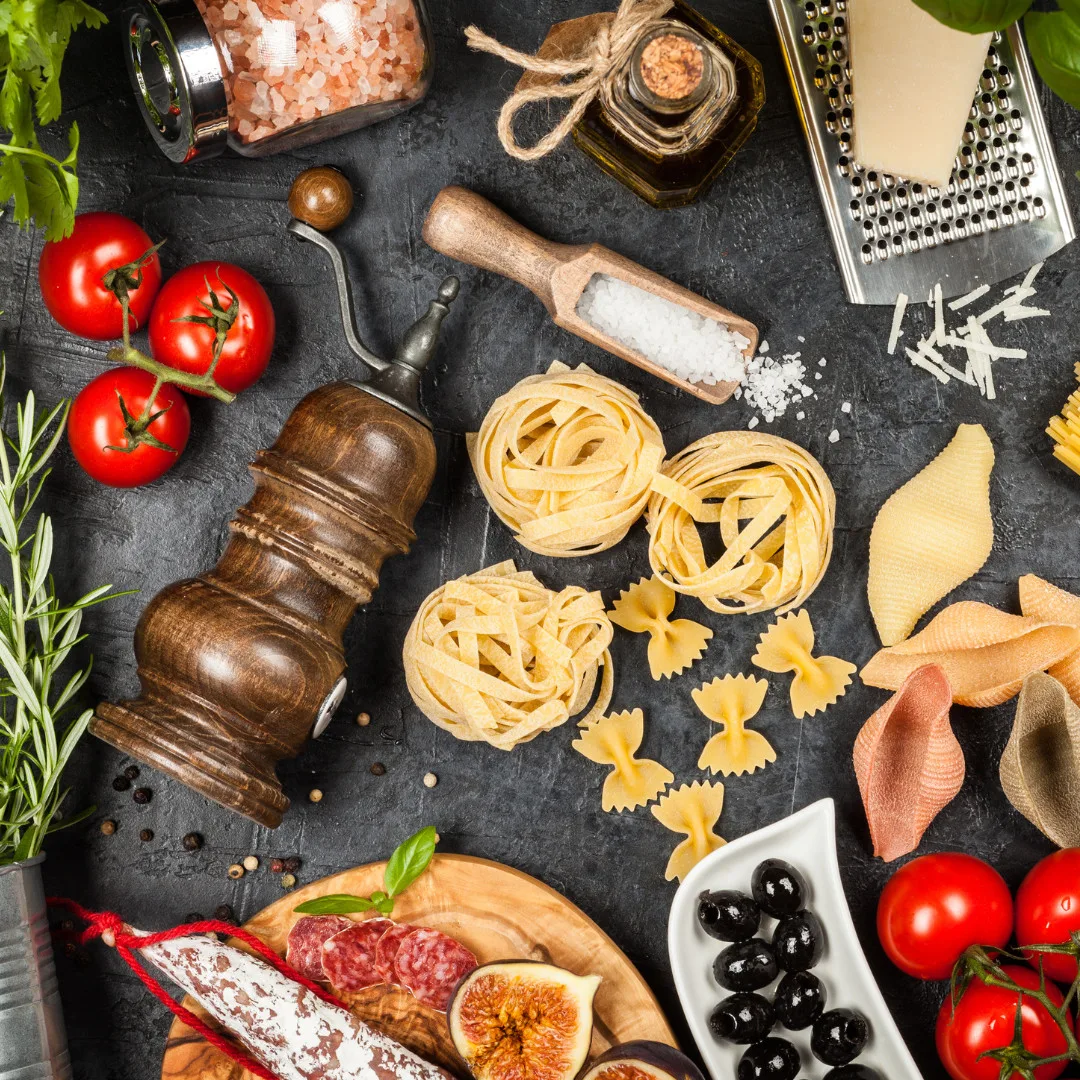
Italian cuisine is built on simple ingredients used well. For restaurants, pizzerias, delis and other foodservice operations, the quality and consistency of those ingredients can directly affect flavor, food cost and kitchen efficiency.
From tomatoes and cheese to pasta, olive oil, proteins and seasonings, the right products help operators create dependable Italian dishes across a wide range of menu applications.
Tomatoes: The Foundation of Italian Cooking
Tomatoes are one of the most important ingredients in Italian foodservice.
Depending on the dish, operators may use whole peeled tomatoes, crushed tomatoes, ground tomatoes, tomato puree or prepared sauces. Each option provides a different balance of texture, sweetness, acidity and convenience.
High-quality tomato products can serve as the base for pizza sauce, marinara, meat sauce, soups, braised dishes and countless other Italian recipes.
Consistency is especially important in foodservice. Using dependable tomato products helps restaurants maintain the same flavor and texture from one batch to the next.
Cheese: More Than Just Mozzarella
Cheese plays a major role across Italian menus.
Mozzarella is essential for pizza and baked dishes, but many restaurants also rely on provolone, Parmesan, Romano, ricotta, Asiago and specialty cheese blends.
Each cheese brings different flavor, texture and performance characteristics. Mozzarella provides melt and stretch, ricotta adds richness to lasagna and stuffed pasta, while Parmesan and Romano can add bold finishing flavor to pasta, soups and salads.
Choosing the right cheese for each application helps operators balance flavor, performance and food cost.
Pasta: A Versatile Menu Staple
Pasta is one of the most flexible ingredients in an Italian kitchen.
Spaghetti, penne, rigatoni, linguine, lasagna, stuffed pasta and specialty shapes can support everything from traditional entrées to soups, side dishes and baked preparations.
For foodservice operators, pasta quality matters because it affects cooking consistency, texture and how well sauces adhere.
Restaurants should also consider how pasta fits into the flow of the kitchen. Reliable products that hold well during service can help improve speed and reduce waste during busy periods.
Olive Oil and Cooking Oils
Oil is another essential component of Italian cooking.
Olive oil can be used in dressings, marinades, sauces, sautéed dishes and finishing applications. Other cooking oils may also be important for frying, high-volume preparation and cost control.
The right oil depends on how it will be used. Flavor, smoke point, consistency and price all play a role in selecting the best option for a foodservice operation.
Meats and Proteins
Italian menus often feature a wide variety of proteins.
Sausage, meatballs, chicken, beef, pork and cured meats can be used across pasta dishes, sandwiches, pizzas, entrées and appetizers.
Operators should consider portion consistency, yield and preparation requirements when choosing proteins. Products that work across multiple dishes can also help simplify inventory and improve purchasing efficiency.
Herbs, Spices and Finishing Ingredients
Small ingredients often define the final flavor of an Italian dish.
Garlic, basil, oregano, parsley, crushed red pepper and black pepper are staples in many kitchens. Grated cheeses, finishing oils and specialty seasonings can add another layer of flavor before a dish reaches the table.
These ingredients give restaurants opportunities to create a distinctive flavor profile while using familiar Italian foundations.
Flour and Dough Ingredients
For restaurants serving pizza, bread, calzones or other baked Italian specialties, flour and dough ingredients are especially important.
Different flours influence texture, fermentation, browning and structure. Yeast, oil, salt and hydration also affect the finished product.
Consistency in these ingredients helps operators maintain dependable dough performance throughout daily production.
Frozen and Prepared Italian Products
Not every component of an Italian menu has to be made completely from scratch.
Frozen appetizers, prepared pasta products, breaded vegetables, sauces and other convenience items can help restaurants reduce prep time and labor while maintaining consistent portioning and quality.
For many operators, the right mix of scratch cooking and labor-saving products can improve kitchen efficiency without sacrificing menu appeal.
Consistency Starts With the Right Supplier
Italian foodservice depends on ingredients that perform consistently.
A knowledgeable distributor can help restaurants select products that fit their menu, kitchen capabilities and target food cost. That includes identifying dependable alternatives, introducing new products and helping operators find ingredients that work across multiple dishes.
Nappies Food Service has deep experience serving Italian restaurants, pizzerias and independent foodservice operators with tomato products, cheeses, pasta, meats, oils, frozen foods, disposables and other restaurant essentials. By working with trusted manufacturers and longstanding vendor partners, Nappies helps operators build Italian menus around products they can depend on.